
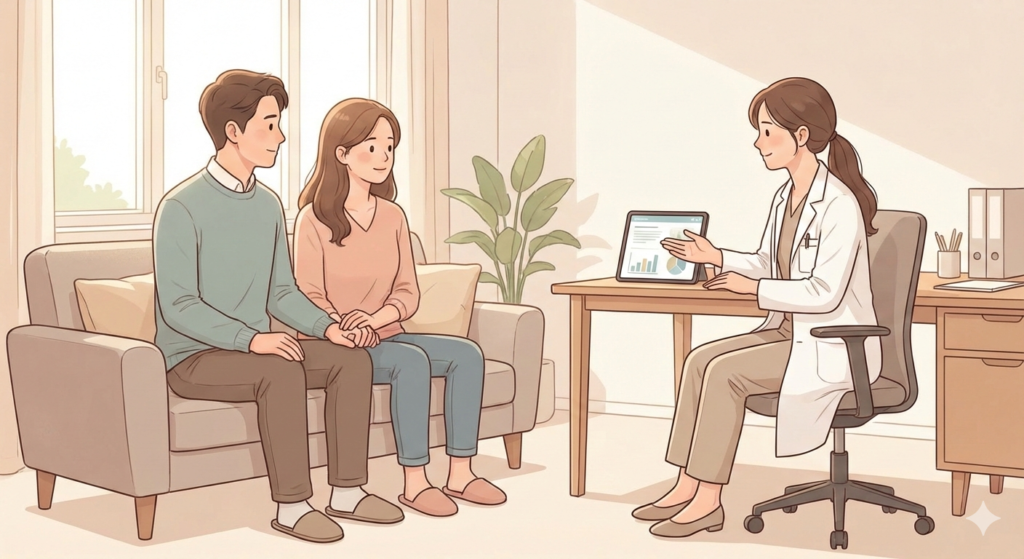
Medical Insight: IVF may fail in the first cycle due to egg quality, embryo development, implantation timing, or protocol adjustments—this does not mean IVF will not work in future cycles.
Experiencing a failed IVF cycle can be emotionally overwhelming. For many couples, the first IVF attempt carries hope, anticipation, and months of preparation—so when it does not lead to pregnancy, questions and self-doubt often follow. One of the most common concerns patients have is whether IVF failure means the treatment will never work.
Medically, a failed first IVF cycle is not uncommon and does not indicate that something was done wrong. IVF is a complex biological process influenced by egg quality, sperm health, embryo development, and implantation—many of which cannot be fully predicted before treatment begins. In fact, the first IVF cycle often provides critical diagnostic information that helps doctors refine and personalize future treatment plans.
Many patients who experience an initial failure go on to conceive successfully in subsequent cycles. Understanding why IVF may not work the first time, what factors could be involved, and how outcomes can improve is an important step toward moving forward with clarity and confidence.
This guide explains common reasons for first-cycle IVF failure, addresses the emotional impact, and outlines practical, medically sound next steps—helping patients make informed decisions without blame or unrealistic expectations.
Is IVF Failure Common in the First Cycle?
Yes, IVF failure in the first cycle is relatively common from a medical perspective. While IVF has helped millions of couples worldwide, it is not designed as a guaranteed one-cycle treatment.
The first IVF cycle often serves two purposes:
- Attempting pregnancy
- Understanding how the body responds to stimulation, fertilization, and embryo transfer
Every patient’s biology responds differently to medications, hormone levels, and embryo implantation. Because of this, fertility specialists frequently adjust protocols after reviewing the first cycle’s outcomes. This is why many successful IVF journeys involve more than one attempt.
Importantly, a failed first cycle does not mean future cycles will fail. It simply means more personalized information is now available to guide the next steps.
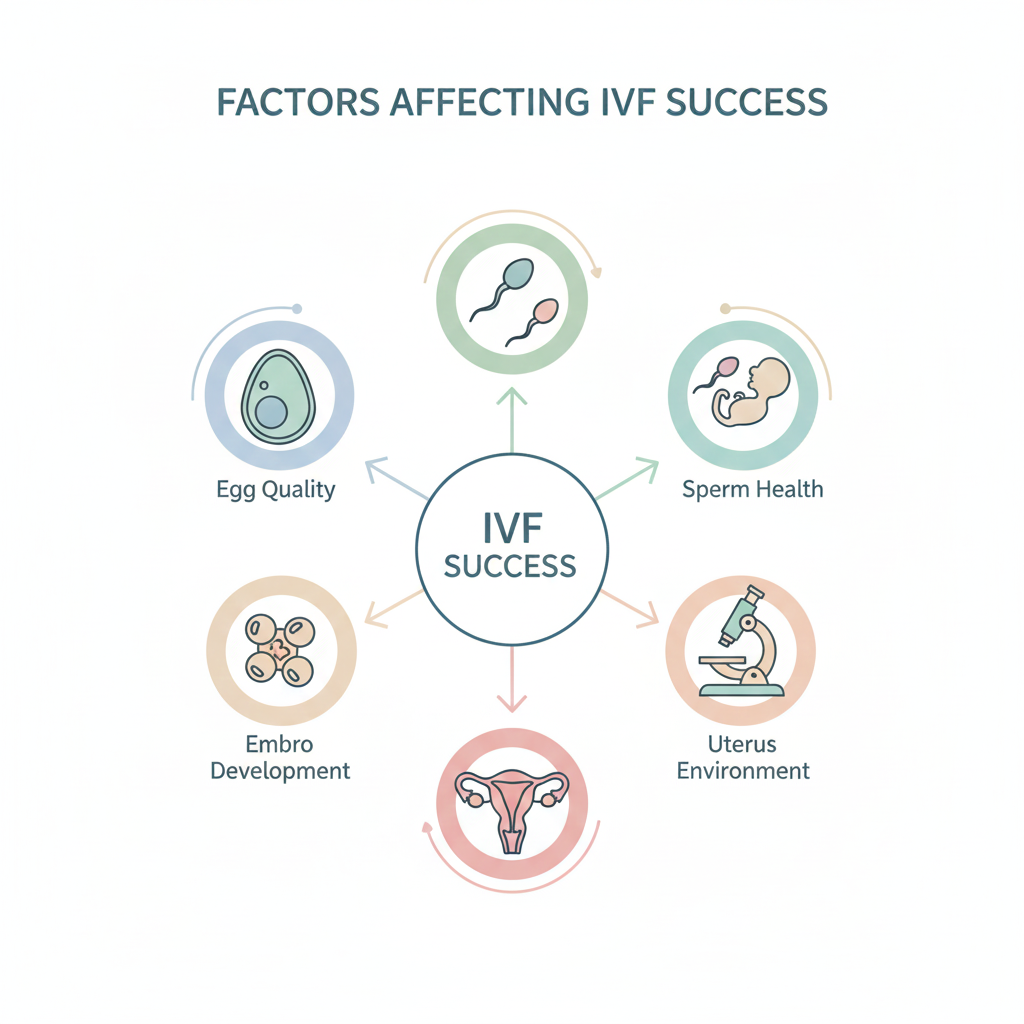
Common Reasons Why IVF Fails the First Time
IVF failure rarely has a single cause. Instead, it is usually the result of one or more biological or clinical factors.
Egg Quality Issues
Egg quality plays a central role in embryo development. Even if eggs appear normal under the microscope, chromosomal abnormalities may prevent embryos from implanting or developing further.
Sperm Factors
Sperm quality—including motility, morphology, and DNA integrity—can affect fertilization and embryo health. In some cases, underlying male-factor issues only become evident during IVF.
Embryo Development Problems
Not all fertilized eggs develop into healthy embryos. Some may stop dividing early or fail to reach the stage needed for implantation.
Implantation Failure
A good-quality embryo does not always implant successfully. Implantation depends on precise timing, uterine receptivity, and complex biological signaling.
Uterine Factors
Conditions such as fibroids, polyps, or endometrial issues can interfere with implantation, even when embryos are healthy.
Lab or Protocol-Related Factors
IVF outcomes can also be influenced by laboratory conditions, embryo culture techniques, and how closely protocols are tailored to the patient’s needs.
IVF Failure After Embryo Transfer – What It Means
When IVF fails after embryo transfer, it can feel especially confusing and distressing. Many patients believe that once an embryo is transferred, pregnancy should occur automatically.
In reality, implantation is one of the most delicate stages of reproduction. Even under ideal conditions, not all embryos implant. Factors such as embryo genetics, uterine receptivity, immune responses, and hormonal balance all influence whether implantation occurs.
A failed implantation does not necessarily reflect poor embryo quality or a problem with the uterus. Often, it simply means that biological timing or conditions were not optimal in that cycle.
Emotional Impact of IVF Failure
IVF failure affects more than the body—it deeply impacts emotional well-being. Feelings of grief, frustration, guilt, or isolation are common, especially after the first attempt.
Many patients blame themselves, question past decisions, or feel pressure to move quickly into another cycle. These emotions are normal and valid. Emotional stress can also affect overall health and coping capacity during fertility treatment.
Acknowledging the emotional impact and seeking appropriate support—whether through counseling, partner communication, or medical guidance—is an important part of recovery and preparation for the next steps.
What to Do After a Failed IVF Cycle
After an IVF failure, taking a structured and thoughtful approach can help improve outcomes.
Medical Review
A detailed review of the previous cycle helps identify areas for adjustment, including stimulation response, fertilization rates, and embryo development.
Additional Testing
In some cases, additional tests may be recommended to assess uterine health, hormone levels, or genetic factors.
Protocol Refinement
Doctors may adjust medication dosages, stimulation timing, or embryo transfer strategies based on the first cycle’s results.
Timing the Next Attempt
The ideal timing for a second cycle varies. Some patients may proceed quickly, while others benefit from a short recovery period.
Chances of Success in the Second IVF Cycle
Many patients experience improved outcomes in the second IVF cycle. This is because treatment plans are refined using real data from the first attempt.
Success in later cycles may improve due to:
- Optimized medication protocols
- Better embryo selection
- Improved uterine preparation
While outcomes still depend on individual medical factors, second-cycle IVF is often approached with greater precision and confidence.
How Clinics Improve Outcomes After IVF Failure
Reputable fertility clinics focus on continuous evaluation and improvement after IVF failure.
This may include:
- Advanced embryo culture systems
- Enhanced monitoring of hormone levels
- Multidisciplinary case reviews
- Personalized treatment adjustments
The goal is not to repeat the same approach, but to adapt treatment responsibly based on clinical findings.
Why Patients Trust SHEIVF After a Failed IVF Cycle
Patients turn to SHEIVF after IVF failure because of its emphasis on ethical review and patient-centered care. Each failed cycle is carefully evaluated to understand what can be improved, rather than rushing patients into repeated treatment.
The focus remains on clear communication, realistic guidance, and individualized protocols—helping patients regain confidence and make informed decisions about their next steps.
Frequently Asked Questions (FAQ)
Is IVF failure common in the first cycle?
Yes. Many patients do not conceive in the first cycle, and this is medically common.
Can IVF work after the first failure?
Yes. Many patients achieve pregnancy in later cycles after treatment adjustments.
How long should I wait after IVF failure?
This depends on medical and emotional recovery. Your doctor will guide you.
Does changing the IVF protocol improve success?
In many cases, yes. Adjustments are often made after reviewing first-cycle data.
Is second IVF cycle more successful?
Success rates often improve when treatment is personalized further.
Does IVF failure mean poor egg quality?
Not always. IVF failure can occur even with good-quality eggs.
Should I change clinics after IVF failure?
A second opinion may help, especially if communication or evaluation was unclear.
Can stress cause IVF failure?
Stress alone does not cause failure, but emotional well-being is important.
If you have experienced a failed IVF cycle and would like a careful medical review of your next options, consulting a fertility specialist can help you understand what steps may be appropriate for your situation.