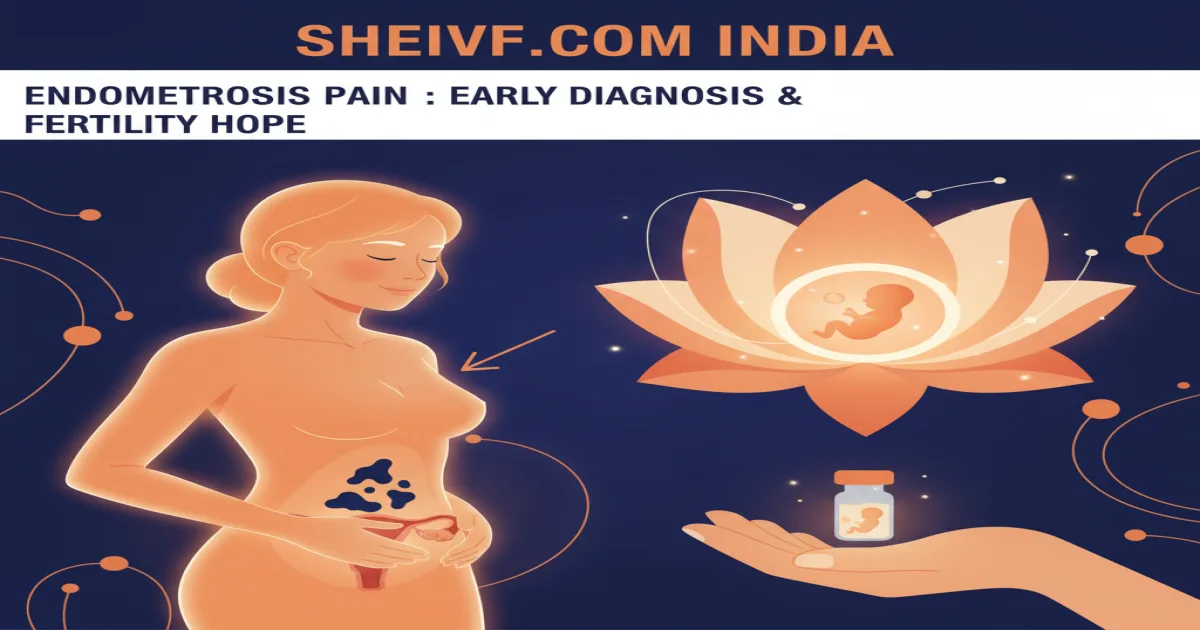
Endometriosis pain: diagnosis & fertility for Indian women can be a challenging journey, often involving chronic pelvic pain, heavy periods, and significant hurdles in conceiving. Endometriosis is a condition where tissue similar to the lining of the uterus grows outside the uterus, affecting organs like the ovaries, fallopian tubes, and the outer surface of the uterus, leading to inflammation, scar tissue, and adhesions. For women across India, understanding this condition is crucial, as delayed diagnosis and treatment can severely impact quality of life and reproductive aspirations. Early detection and tailored fertility treatments are vital for managing symptoms and improving chances of conception, making awareness and accessible healthcare paramount.
Key Takeaway
Endometriosis affects millions of Indian women, causing debilitating pain and impacting fertility.
Accurate diagnosis often requires a combination of clinical evaluation, imaging, and sometimes laparoscopic surgery.
Advanced fertility treatments like IVF offer significant hope for women with endometriosis-related infertility.
Understanding Endometriosis Pain and Fertility Challenges for Indian Women
Endometriosis, often a silent battle, is a chronic condition affecting an estimated 1 in 10 women of reproductive age globally, with significant prevalence in India. For Indian women, the experience of endometriosis pain extends beyond physical discomfort, often impacting daily life, career, and marital harmony. The misplaced endometrial tissue responds to hormonal changes, leading to inflammation, pain, and scarring. This can manifest as severe menstrual cramps (dysmenorrhea), chronic pelvic pain, painful intercourse (dyspareunia), and painful bowel movements or urination. Culturally, women in India may endure pain stoically, leading to delays in seeking medical attention. Moreover, societal pressure to conceive quickly can exacerbate the emotional toll when endometriosis impacts fertility, making timely diagnosis and management crucial for both pain relief and reproductive success. Recognizing these nuances is the first step towards empowering women to seek appropriate care.
Recognizing Endometriosis Symptoms and Diagnostic Journey
Recognizing the symptoms of endometriosis is the critical first step towards diagnosis, especially for Indian women who may normalize severe menstrual pain. Beyond debilitating period pain, other common indicators include chronic pelvic pain persisting outside menstruation, heavy bleeding (menorrhagia), fatigue, and discomfort during or after sexual intercourse. Gastrointestinal symptoms like bloating, constipation, or diarrhea, particularly during periods, can also be present. The diagnostic journey often begins with a detailed medical history and a pelvic exam. However, definitive diagnosis typically requires imaging techniques and sometimes a surgical procedure. Early recognition and honest communication with a healthcare provider can significantly shorten the path to effective management and treatment for endometriosis.
Impact on Daily Life and Mental Health
The persistent and often severe pain associated with endometriosis profoundly impacts an Indian woman’s daily life, affecting her ability to work, socialize, and maintain relationships. Chronic pain can lead to fatigue, anxiety, depression, and a reduced quality of life. The challenges of managing pain alongside societal expectations, particularly concerning fertility, can add immense psychological stress. Furthermore, the often-delayed diagnosis can lead to feelings of frustration and isolation. Addressing the mental health component is as crucial as managing the physical symptoms, requiring a holistic approach to care that includes psychological support and counseling.
The Diagnostic Process for Endometriosis in India
The diagnostic process for endometriosis involves several steps, starting with a thorough clinical evaluation. A gynaecologist will inquire about symptoms, medical history, and conduct a physical examination, including a pelvic exam. While these provide initial clues, they cannot definitively diagnose endometriosis. Imaging techniques play a crucial role. A transvaginal ultrasound is often the first line of investigation, helping to identify endometriomas (chocolate cysts) on the ovaries. MRI scans offer more detailed imaging, particularly for deeper lesions. However, the gold standard for definitive diagnosis remains laparoscopy, a minimally invasive surgical procedure where a surgeon visually inspects the pelvic organs and takes biopsies for confirmation. This comprehensive approach ensures an accurate diagnosis, paving the way for effective treatment strategies.
| Factor | Details | India Average |
|---|---|---|
| Pelvic Exam | Initial physical check-up, symptom review | Free - Rs 1,000 (consultation) |
| Transvaginal Ultrasound (TVS) | Non-invasive imaging for cysts/endometriomas | Rs 1,500 - Rs 3,500 |
| MRI Pelvis | Advanced imaging for deeper lesions | Rs 5,000 - Rs 12,000 |
| Diagnostic Laparoscopy | Surgical confirmation, visual inspection, biopsy | Rs 40,000 - Rs 1,50,000 |
Who Should Seek Diagnosis and Fertility Evaluation for Endometriosis
Any Indian woman experiencing persistent or severe pelvic pain, especially if it worsens during menstruation, should consider seeking a diagnosis for endometriosis. This also applies to those with painful intercourse, chronic fatigue, or gastrointestinal issues linked to their menstrual cycle. Crucially, couples struggling with unexplained infertility should undergo thorough evaluation, as endometriosis is a significant, yet often overlooked, cause of difficulty in conception. Early diagnosis not only aids in pain management but also allows for timely intervention to preserve or improve fertility potential. Consulting a fertility specialist is advisable if conception has not occurred after 6-12 months of trying, particularly with suspected endometriosis.
Women Experiencing Chronic Pelvic Pain
Chronic pelvic pain, defined as pain lasting for six months or more, is a hallmark symptom that warrants investigation for endometriosis. If daily activities are affected, or if over-the-counter pain relief is insufficient, it's a strong indicator. Many Indian women might attribute such pain solely to menstruation or other causes, leading to delay. However, pain that persists beyond periods, affects bowel or bladder function, or causes discomfort during sex, should not be ignored. A specialist can help differentiate endometriosis pain from other conditions and initiate appropriate diagnostic steps to provide relief and a pathway to better health.
Couples Facing Unexplained Infertility
Endometriosis is a common cause of unexplained infertility. If a couple has been trying to conceive for a year (or six months if the woman is over 35) without success, and other common causes of infertility have been ruled out, endometriosis should be high on the diagnostic list. Even mild forms can impair fertility by causing inflammation, structural damage to fallopian tubes, or affecting egg quality and implantation. For Indian couples facing this challenge, understanding the link between endometriosis and infertility can guide them towards targeted diagnostic procedures and effective fertility treatments like IVF, offering renewed hope for parenthood.
Success Rates and What to Expect with Endometriosis & Fertility Treatments
For Indian women with endometriosis, the success rates of fertility treatments depend on the stage of the disease, the woman's age, and the specific treatment chosen. While mild endometriosis might be managed with ovulation induction or IUI, moderate to severe cases often necessitate advanced reproductive technologies. Laparoscopic surgery to remove endometrial lesions can improve natural conception rates or enhance the success of subsequent fertility treatments. For many, In Vitro Fertilization (IVF) becomes the most effective option. Studies indicate that for women with endometriosis, IVF success rates in India can range from 30-45% per cycle, though these figures vary. For instance, data from the Indian Council of Medical Research (ICMR) suggests an average IVF success rate of around 35-40% for women under 35, even with endometriosis, highlighting the significant potential of these treatments.
Dr. Priya Sharma, Senior Fertility Specialist at SheIVF: "With endometriosis, a personalized approach to fertility treatment is key. Combining surgical management with tailored IVF protocols often yields the best outcomes for our Indian patients, significantly improving their chances of conception."
Step-by-Step Fertility Treatment Process for Endometriosis Patients
The journey for fertility treatment when endometriosis is a factor typically begins with a thorough assessment to understand the disease’s extent and its impact on reproductive organs. This guides the selection of the most appropriate treatment pathway, whether it involves surgical intervention, hormonal therapy, or assisted reproductive techniques. The process is highly individualized, focusing on optimizing conditions for conception while managing endometriosis symptoms.
- Initial Consultation & Comprehensive Assessment: Detailed medical history, physical exam, symptom review, and discussions about fertility goals. Imaging like ultrasound or MRI to assess the extent of endometriosis and ovarian reserve tests.
- Treatment Planning & Medical Management: Based on diagnosis, options include hormonal therapy to suppress endometriosis, pain management, or discussion of surgical intervention to remove lesions and improve anatomy.
- Assisted Reproductive Technologies (ART): If natural conception or simpler methods fail, IVF is often recommended. This involves ovarian stimulation, egg retrieval, fertilization in the lab, and embryo transfer, bypassing some of the challenges posed by endometriosis.
- Ongoing Support & Monitoring: Continuous monitoring of symptoms, treatment effectiveness, and psychological support throughout the fertility journey. Adjustments to treatment plans are made as needed.
Cost of Endometriosis Diagnosis and Fertility Treatments in India
The cost of managing endometriosis and pursuing fertility treatments in India can vary significantly based on the severity of the condition, the chosen treatment, and the city or clinic. Diagnostic laparoscopy, which is often crucial for definitive diagnosis and staging, typically ranges from Rs 40,000 to Rs 1,50,000. Medical management with hormonal therapies can cost Rs 2,000 to Rs 10,000 per month. When it comes to fertility treatments, IVF for endometriosis patients usually falls within the range of Rs 1,20,000 to Rs 2,50,000 per cycle. This figure can escalate if additional procedures like ICSI, embryo freezing, or donor eggs are required. In major cities like Delhi, Mumbai, and Bangalore, costs might be at the higher end of the spectrum (e.g., IVF in Delhi can be Rs 1,50,000 - Rs 2,80,000), while smaller cities might offer slightly more affordable options. It's important to get a detailed cost breakdown from your clinic, which should include consultations, medications, lab tests, and procedures.
Conclusion
Endometriosis pain and its impact on fertility are significant concerns for Indian women, demanding early diagnosis and personalized care. While the journey can be challenging, understanding the condition, seeking timely medical advice, and exploring advanced fertility treatments offer substantial hope. With dedicated medical professionals and cutting-edge reproductive technologies available in India, managing symptoms and achieving parenthood is increasingly possible. Do not let pain or infertility define your journey. Book a free consultation with a verified fertility specialist on SheIVF — confidential and completely free.